
Loading...
Serving Oakdale, CA and surrounding areas. (209) 841-4151
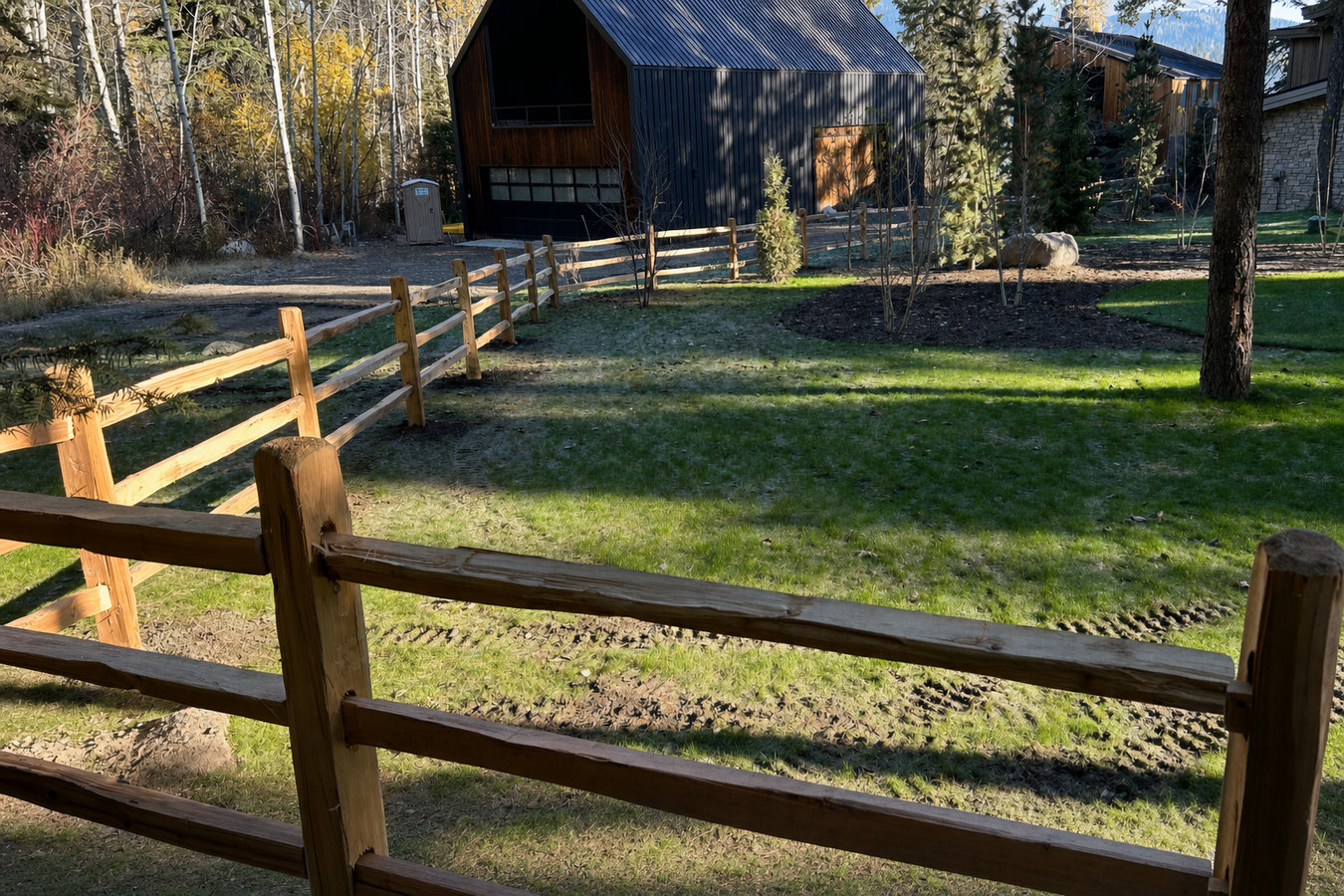
A fence that looks fine on day one but starts leaning after the first wet winter is not built for Stanislaus County. We install farm and ranch fencing in Oakdale that holds animals in, handles clay soil movement, and stands up to years of real use.
Farm and ranch fencing in Oakdale, CA covers everything from perimeter fencing that keeps livestock in to interior cross-fencing that divides pastures - most straightforward perimeter jobs on flat, accessible ground are completed in one to three days, while larger or more complex properties take longer. Stanislaus County sits in the heart of California's Central Valley, and the combination of clay soils, 100-degree summers, and wet winters puts real demands on any fence that has to hold up year after year.
Oakdale has a long history of cattle ranching and dairying, which means local contractors here generally understand working-farm demands rather than just decorative rural aesthetics. If your posts are rocking when you push them, your wire is sagging after a wet season, or animals are pushing through sections that used to hold, those are signs the fence is no longer doing its job. A fence that was not set for local soil conditions will fail on a predictable timeline.
For properties that need fencing around kennels, equipment yards, or secondary enclosures, chain link fence installation is a durable and cost-effective complement to agricultural perimeter fencing. The UC Agriculture and Natural Resources cooperative extension publishes research-based guidance on fencing materials and practices for California livestock operations.
If you can move a fence post by hand - even slightly - it is no longer doing its job. In Oakdale's clay soils, seasonal ground movement can accelerate this problem. Once posts start to go, the wire or rail attached to them loses tension and the whole fence line begins to sag.
If livestock are escaping or predators are getting in, your fence has already failed at its most basic purpose. On working farms near Oakdale's rural-urban fringe, escaped animals can create liability and safety issues on nearby roads. At some point, a full replacement is safer and cheaper than repeated repairs.
Oakdale's wet winters followed by dry summers put real stress on wire fencing. Wire that was once tight can sag significantly after a season of ground movement and temperature swings. Sagging wire is not just an aesthetic problem - it invites animals to push through or get tangled.
Older woven-wire or barbed-wire fences in the Central Valley often reach the end of their useful life around the 20-to-25-year mark. Rust at the wire connections, rotting wood posts at ground level, and bent or broken stays are all signs that repair is no longer cost-effective. A new fence will cost less in the long run than continuing to patch an aging one.
We install the full range of agricultural fencing materials used on working properties in Stanislaus County: woven wire, high-tensile smooth wire, barbed wire, wood rail, and pipe or tube steel. Woven wire is the most common choice for cattle operations in this area because it handles livestock pressure well and covers a lot of ground efficiently. High-tensile wire is a strong option for larger acreage where covering more linear footage at lower cost matters - it also holds up well in Oakdale's dry summer heat without the sagging problems you can get with lower-grade wire. For horse properties, we install smooth-wire or wood-rail options that reduce the risk of leg injuries from wire contact.
We also build and hang agricultural gates sized for your actual equipment - not just the minimum opening. A gate that is too narrow for your tractor or feed truck is a daily frustration and a safety hazard. Every project starts with a walk of your property so the layout actually fits how you use the land. For properties that also need perimeter enclosures for working dogs or kennel runs, pet and dog fencing can be combined with agricultural perimeter work in a single project.
The go-to choice for cattle, sheep, and goat operations - holds livestock pressure and covers ground efficiently.
Best for large acreage where cost per linear foot matters and a clean, low-maintenance line is preferred.
A cost-effective perimeter option for cattle on open range land in dry Stanislaus County conditions.
The right choice for horse properties where smooth, visible fencing reduces leg-injury risk.
Built for horse pens, equipment yards, and high-traffic areas where maximum strength is the priority.
Custom-sized to fit your equipment with heavy-duty hinges and latches rated for the weight and daily use.
Oakdale sits in the heart of Stanislaus County, one of California's most productive agricultural counties, with a deep history of cattle ranching and dairying that shapes how working properties are maintained here. The challenge for farm fencing in this area is the combination of clay-heavy soils and a climate that swings from wet winters to baking summers. Clay soil expands when it absorbs winter rain and shrinks back during the dry season - that seasonal movement gradually pushes fence posts out of alignment if they are not set with the right depth and concrete technique for local conditions. A contractor who has only worked on flat suburban lots will set posts the same way regardless of soil type, and that shows up within a season or two. Homeowners near Hughson and the surrounding farmland deal with the same soil conditions and benefit from the same locally calibrated approach.
Oakdale's summers also regularly push above 100 degrees, which affects material choices and installation timing. Wire fencing expands in heat and contracts at night, so it needs to be tensioned with that movement in mind - a fence that is too tight when installed can pull posts or break wire during a heat wave. Wood species and treatments also matter in this climate; the wrong choice accelerates checking and cracking. Dense tule fog rolls through the Central Valley from December through February, which can delay outdoor work and make ground soft and difficult to access with equipment. If you are planning a fencing project that needs to be done before spring calving or planting season, working with a contractor based in Waterford and the broader Oakdale region who knows this seasonal pattern - and builds weather flexibility into their schedule - is worth the extra step of asking about it upfront.
We will ask a few basic questions before scheduling - what animals you have, roughly how much fencing you need, and what problems you are trying to solve. Be ready to describe your property in general terms: acreage, terrain, and any access issues like locked gates or soft ground.
We walk the property before giving you a price - checking terrain, obstacles, and soil conditions. You receive a written, itemized estimate that breaks out materials, labor, and any utility-locating or permit costs. No vague verbal ballparks.
Before any digging begins, underground utilities must be located and marked - required by California law and handled by calling 811. If your project is near a road, canal, or easement in Stanislaus County, we check with the county before work starts.
Corner and end posts go in first - these anchor the whole fence. Line posts follow, then wire or rail and gate hanging. When the work is done, we walk the finished fence with you so you can check gates, test wire tension, and sign off before we leave.
We walk your property first and give you an itemized quote - no vague ballparks and no pressure.
(209) 841-4151Clay soils that expand in winter and shrink in summer are the single biggest enemy of farm fence longevity in this area. We set posts with the right depth and concrete technique for local ground conditions, so your fence stays plumb and tight through the wet-dry cycle instead of starting to lean after the first season.
A gate that is too narrow for your tractor or too flimsy for daily livestock use causes problems every single day. We size gates to your actual equipment and use hardware rated for the weight and frequency of use - not the cheapest latches and hinges that look fine at installation but fail within a year.
You can verify our California Contractors State License Board license at no cost at cslb.ca.gov. Hiring an unlicensed contractor in California puts you on the hook if someone gets hurt on your property. We carry active licensure, workers compensation coverage, and general liability insurance on every job.
One of the most common complaints about fence contractors is a final bill that looks nothing like the estimate. Your written quote breaks out every cost - materials, labor, and any permit or utility-locating fees - so you know exactly what you are paying for before a single post is set.
Farm fencing is not a project where the details are optional - a post set too shallow, a gate hung too light, or wire tensioned without accounting for heat expansion will show up as a problem within a season or two. The American Fence Association sets the industry standards we work to, and we are happy to explain our process before you commit to anything.
Need a secure enclosure for dogs on a rural or semi-rural lot? We install pet-safe fencing that works alongside existing agricultural fence lines.
Learn MoreChain link is a durable, cost-effective option for equipment yards, kennels, and secondary enclosures on working farm properties.
Learn MoreOakdale's busy season fills up fast - call now to lock in your installation date before the spring rush and avoid waiting weeks for a crew.